Rheumatism pain: How massages can help provide relief
Almost everyone has heard the term “rheumatism”. Most people have a general idea of what this condition is. The basic assumption that rheumatism causes pain is not wrong. In fact, it is a disease that is often misunderstood and about which there are many false prejudices that even go back to ancient times. The word „"Rheumatism" originally comes from Greek and means river or current. The underlying idea behind the naming of the disease comes from the idea of incorrectly composed body fluids in the body, for example in joints and organs, which lead to a build-up of fluid and...

Almost everyone has heard the term “rheumatism”. Most people have a general idea of what this condition is. The basic assumption that rheumatism causes pain is not wrong. In fact, it is a disease that is often misunderstood and about which there are many false prejudices that even go back to ancient times.
The word „"Rheumatism" originally comes from Greek and means river or current. The underlying idea behind the naming of the disease comes from the idea of incorrectly composed body fluids in the body, for example in joints and organs, which lead to a build-up of fluid and thus to painful inflammation. But it is not that simple, which is also underlined by the fact that rheumatism can occur in over 100 different forms.
In this article we look at the symptoms and causes of rheumatism. We will also explain to you what treatment options are available and how massages can be used specifically to combat rheumatism pain and help provide relief.
Reading tip: You can get a deeper insight into the diverse effects of massage, including on rheumatism pain, in our article „From head to toe - massages can help here“.
Rheumatism: pain and other symptoms
Rheumatism is often used as an umbrella term for various diseases that can primarily affect the joints, but also the connective tissue and muscles.
The most common form of rheumatism is rheumatoid arthritis, a chronic inflammatory disease that causes painful swelling and loss of function in the affected joints. Contrary to the popular belief that rheumatism pain is age-related, it can affect anyone, regardless of age.
The exact cause is often unclear, but genetic factors and a misguided immune system are thought to play a role. Differentiation from similar diseases with often similar symptoms ensures greater clarity and targeted treatment steps. These include diseases such as osteoarthritis or fibromyalgia, which is often incorrectly referred to as soft tissue rheumatism.
Reading tip: In our post about possible causes of joint pain You can find out more about the topic of osteoarthritis and how to relieve the associated symptoms.
Rheumatism or osteoarthritis? The differences at a glance
Although rheumatism pain and pain in osteoarthritis have similar and other symptoms, they are different diseases. Rheumatism, particularly rheumatoid arthritis, is an autoimmune disease in which the immune system mistakenly attacks healthy tissue. Osteoarthritis, on the other hand, is a degenerative joint disease that occurs due to the breakdown of cartilage in the joint.
While rheumatism often causes pain due to swelling and inflammation, osteoarthritis is primarily caused by wear and tear on the joints. It is important for healthcare professionals to understand the differences in order to ultimately choose the right form of treatment. For this reason, if you suspect or have corresponding symptoms, it is always a good idea to consult your doctor to find out the exact cause.
Reading tip: If you suffer from osteoarthritis, you will find useful information in our article. How massages can help with osteoarthritis pain.
What are possible causes of rheumatism pain?
In fact, the exact causes of rheumatism and pain have not yet been fully researched. Experts suspect a combination of genetic factors, environmental factors and a misdirected immune system.
Genetic predispositions can increase the risk of developing rheumatism, while certain infections or environmental factors can act as triggers. The immune system mistakenly attacks its own tissue, which leads to the typical inflammation and pain. Hormonal changes and stress can also play a role and further exacerbate symptoms.
The course of rheumatism and its consequences
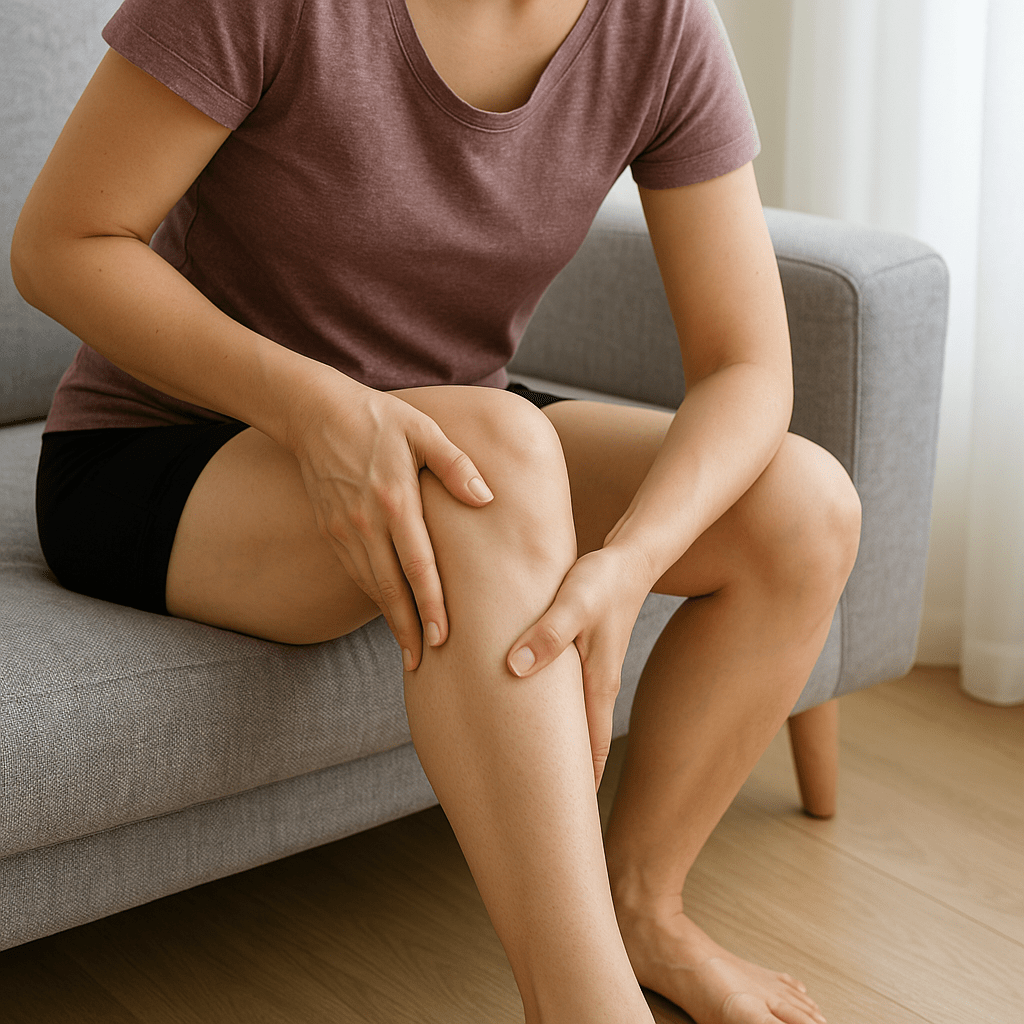
Rheumatism is usually chronic and occurs in fits and starts. This means that the symptoms appear at irregular intervals and can vary in intensity. For example, rheumatism causes muscle pain in the legs.
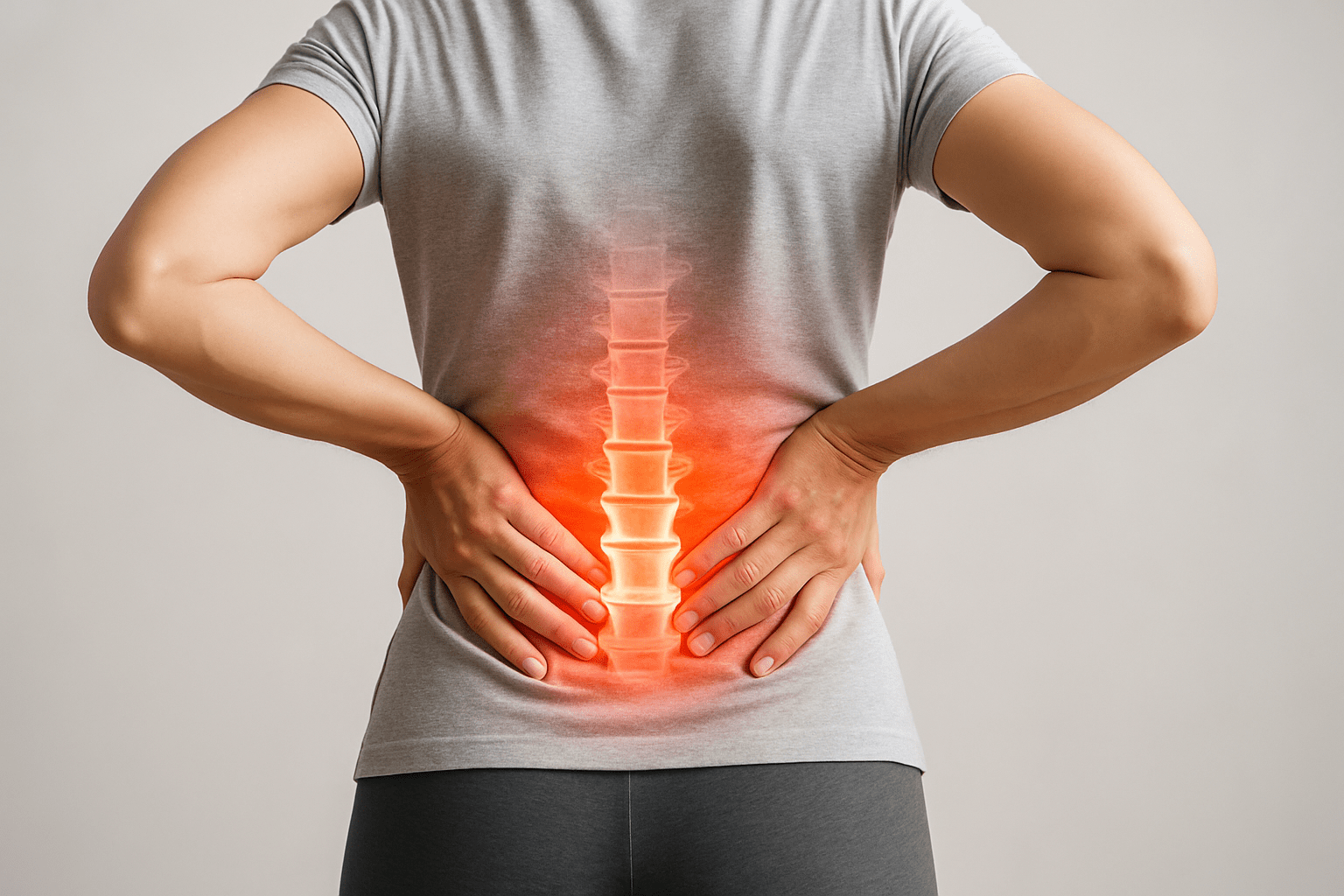
Over time, rheumatism pain doesn't stop - it can lead to permanent damage to joints, bones and connective tissue. In addition to the joints, other organs such as the heart, lungs or eyes can also be affected. Rheumatism can also damage blood vessels, leading to an increased risk of heart attacks and strokes.
If left untreated, this condition can significantly impact quality of life and lead to permanent disability. Therefore, early and continuous treatment is crucial for the long-term well-being of those affected. So a certain amount of education and awareness is needed for the topic.
Symptoms of rheumatoid arthritis: How to recognize rheumatoid pain
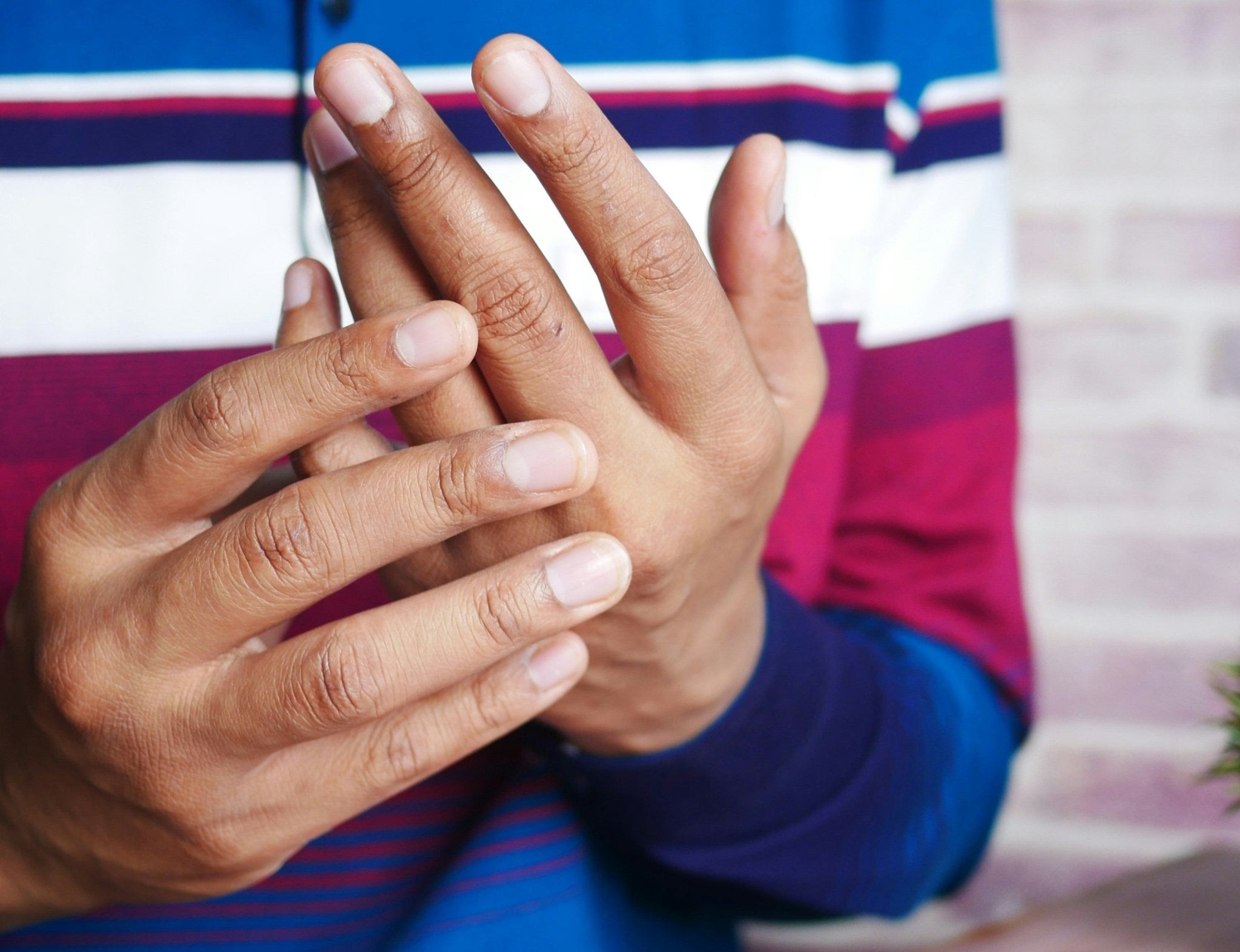
The not-so-good news: The symptoms of rheumatoid arthritis are varied and can vary from person to person. But there are typical signs of rheumatism such as pain and swelling in the joints, especially in the hands, fingers and feet. The affected joints are often warm and red. Morning stiffness that lasts longer than 30 minutes is another characteristic symptom.

Source: https://www.therapie-rheuma.de/patient/rheumatoide-arthritis/morbide-course-rheuma-schrei-und-entzuendung
But rheumatism is more than “just” pain. In addition to joint symptoms, general complaints such as fatigue, fever and weight loss can also occur. Some sufferers also have internal organs affected, which can cause additional symptoms.
As you can see, many of the signs are common complaints from which false conclusions could easily be drawn. It requires medical tests to get a clear diagnosis.
Diagnosis of rheumatism: what tests are necessary?
In order to find out what helps against rheumatism and pain, the disease must first be identified precisely. Rheumatoid arthritis is diagnosed through a combination of clinical examinations, laboratory tests, and imaging tests. First, the doctor carries out a thorough medical history and physical examination, looking for typical symptoms such as swelling and restricted movement. This is followed by imaging procedures and a blood test.
- Blood test: This can provide evidence of inflammation and specific antibodies (e.g. rheumatoid factor or anti-CCP), which are often elevated in rheumatoid arthritis.
- Ultrasound: Ultrasound can be used to visualize inflammatory changes in the joints. This method is particularly useful for monitoring the progression of the disease.
- MRI: An MRI (magnetic resonance imaging) provides detailed images of the joints and can detect even the smallest changes that indicate rheumatoid arthritis. It also helps to assess the extent of the damage and plan the best therapy.
Rheumatism pain: what helps?
Treatment for rheumatoid arthritis aims to control inflammation, relieve pain in rheumatism, and preserve joint function.
What helps against rheumatism pain? The following therapeutic approaches are often used:
- Drug therapy: Anti-inflammatory drugs and so-called DMARDs (disease-modifying antirheumatic drugs) relieve rheumatic pain and slow the progression of the disease.
- Anti-inflammatory diet: A balanced diet rich in omega-3 fatty acids and antioxidants can reduce inflammation in the body and relieve the pain of rheumatism. Meat should only be consumed rarely as it contains inflammatory arachidonic acid.
- Movement: Regular, gentle exercise helps to keep the joints flexible and strengthen the muscles. Physiotherapy exercises improve joint mobility and train the surrounding muscles.
- Physio/manual therapy and occupational therapy: These therapies support the mobility and function of the joints and help you to better manage everyday activities.
- Cold and heat therapy: They can relieve rheumatism pain and improve blood circulation. For example, using chilled or warmed canola seeds in the hands can provide relief.
- Operation: In severe cases of rheumatism, surgery may be necessary to repair or replace damaged joints.
- Pain therapy: As with all pain disorders, the approach is holistic Even for rheumatism pain, it is an important part of the treatment to improve the quality of life.
Reading tip: Even with symptoms that cannot be easily eliminated, it is possible to live a life with few restrictions and far less pain, even with rheumatism. You can find out how this works in our article on pain management.
Massage for rheumatism
Once the diagnosis of rheumatism has been made, doctors will develop a treatment plan in the next step. A massage for rheumatism can be an effective supplement to the treatment of pain. Its effect is based on promoting blood circulation, relieving muscle tension and thus increasing general well-being. The same applies here: Always clarify the details of accompanying treatment with massages with your responsible medical specialist.
A basic distinction is made between medical massages and wellness massages, although the former can also be prescribed by a doctor.
- Specific medical massages for rheumatism pain: There are certain types of massage that can be particularly helpful. These include:
- Classic massages: They relax the muscles and improve blood circulation.
- Connective tissue massages/reflexology treatment: These massages target deeper layers of tissue and can effectively relieve rheumatism pain.
- Underwater massages: The combination of water and massage is particularly gentle on the joints and beneficial.
- Lymphatic drainage: This technique helps reduce swelling and improve lymph flow. In our post “The silent flow within you: How manual lymphatic drainage increases your well-being” you can find out more about this amazingly simple technology and how it actually works.
- Wellness massages for general well-being: In addition to medical massages, wellness massages can also be beneficial for rheumatism pain by increasing well-being and reducing stress.
Massages offer a versatile opportunity to relieve the pain of rheumatism and make the daily lives of those affected more pleasant. If, from a medical point of view, there is nothing to prevent massages as an accompanying treatment, regular use can create significantly more pleasant conditions.
Massage and rheumatism: massage chair as a supplement to traditional massage
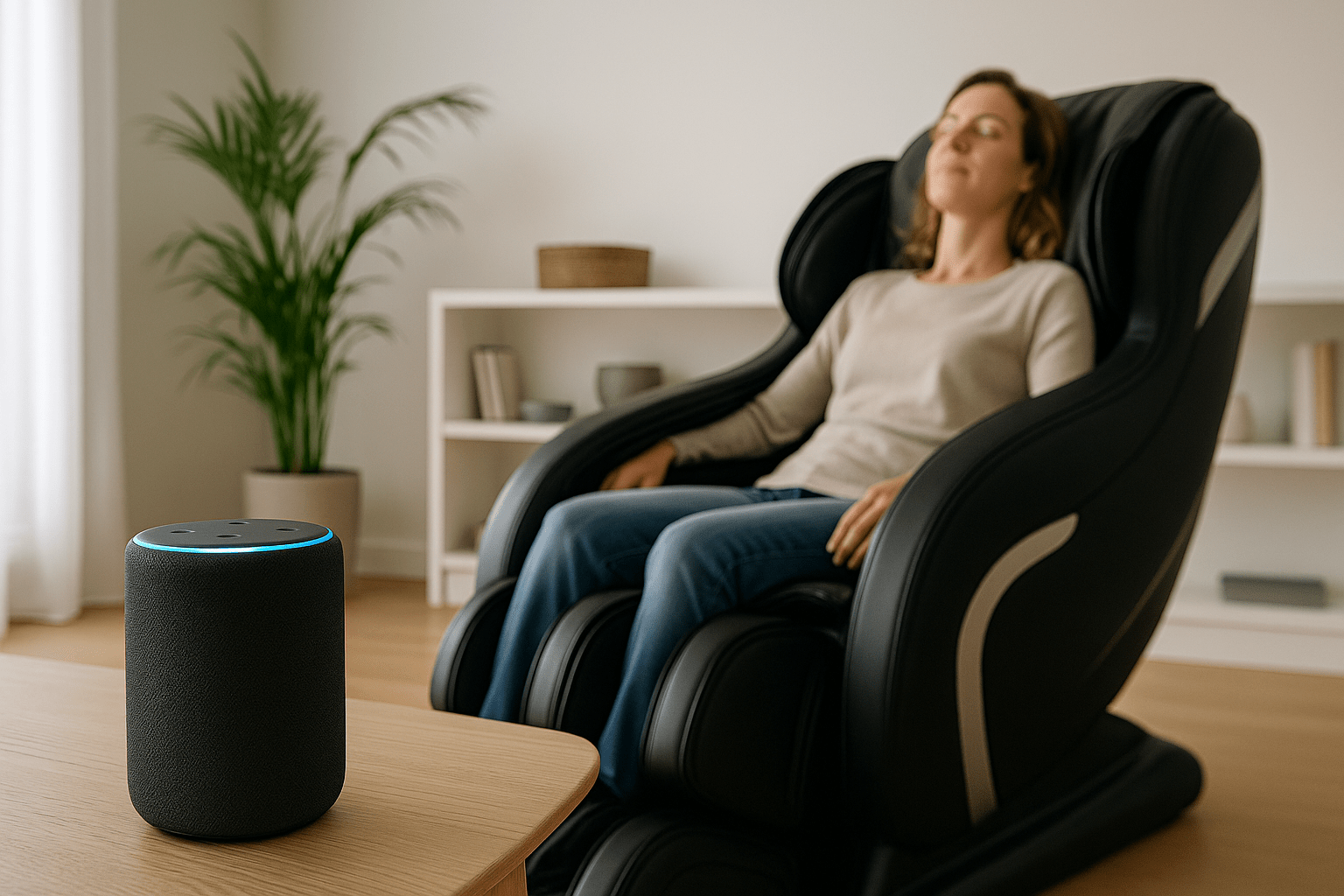
A massage chair can offer significant advantages, especially for people with chronic complaints such as rheumatism pain. One of them is the convenient option of enjoying regular massages in your own home, without booking appointments or hassle-free travel. The possibility of relieving pain from rheumatism is only a few meters away, exactly when you need it.
Modern massage chairs also master various massage techniques specifically aimed at helping to relieve pain and improve blood circulation. Some models even offer infrared heat treatments, which can be particularly beneficial for rheumatism pain. Another big advantage of massage chairs is that you can try out different types of massage and find the method that suits you best.
Reading tip: More about the medical benefits of massage chairs you can find out in our article.
Find your individual path to relief from rheumatism pain
Rheumatism in its many forms can be a major challenge for those affected, but there are many options for relief. Active treatment, exercise and massages, including massage chairs, play an important role. Also remember to always seek medical advice to find the best treatment methods for you.
With rheumatism's many symptoms, from pain and swelling to morning stiffness, the journey to diagnosis can often take more time than you'd like, but the journey through blood tests, ultrasounds and MRIs is worth it. The treatment options are also diverse and range from medication, an anti-inflammatory diet, regular exercise and various massage techniques to the use of massage chairs.
With the right combination of therapies and support, you can significantly improve your quality of life, even with rheumatism. Leave the ancient view of rheumatism aside and trust in modern medicine. Use additional treatments such as massages to relieve your symptoms and take your well-being into your own hands again.
Cover image: Towfiqu barbhuiya
Mitgründer und Geschäftsführer der Massagesessel Welt. Mit seinem Expertenwissen und seiner Branchenkenntnis hilft er, Privatpersonen und Unternehmen zu passenden Massagesessels für Entspannung, Gesundheit und Vitalität zu finden. Die individuelle Fachberatung erfolgt sowohl telefonisch oder per Videochat, als auch in der Ausstellung vor den Toren Stuttgarts.